

 English
 日本語
 русский
 简体中文

同社は「品質第一、顧客第一」という企業理念を貫き、国内外のお客様のご来店・ご案内を心よりお待ちしております。
見積もりを取得
A pure metal damper dissipates energy well but does not return to its original position on its own once the shaking stops, which leaves residual structural deformation for engineers to address separately.あ メタルコンポジットダンパー addresses this specific gap by combining a lead-viscoelastic damper with a friction damper, using viscoelastic material that both consumes energy during an earthquake and contributes a reset function that a metal-only design lacks. Understanding how these combined mechanisms interact helps buyers decide whether a メタルコンポジットダンパー is worth its added complexity for a given project, or whether a simpler single-mechanism device meets the actual performance requirement.
A standard metal damper achieves damping through plastic deformation of low-yield-point steel, which is simple, reliable, and largely unaffected by temperature, but plastic deformation is inherently permanent rather than self-correcting. A metal composite damper layers a friction-based mechanism and lead-viscoelastic material onto this same basic principle, adding energy dissipation pathways that behave differently under load while introducing the self-centering behavior that pure plastic deformation cannot provide on its own. Buyers should understand that this is a genuine combination of mechanisms rather than simply a metal damper with a different name, since the added components change both the performance profile and the post-earthquake behavior of the device.
The reset function in a metal composite damper matters especially in the period immediately after an earthquake, when a building's residual deformation determines how quickly it can be reoccupied and how much repair work is needed before normal use resumes. A device that dissipates energy well but leaves the structure permanently offset from its original position creates a different post-event scenario than one that helps the structure return closer to its pre-earthquake alignment. Buyers specifying dampers for buildings where rapid post-earthquake reoccupancy matters, such as hospitals or emergency response facilities, should weigh this reset capability more heavily than they would for structures where downtime after a major event is less critical.
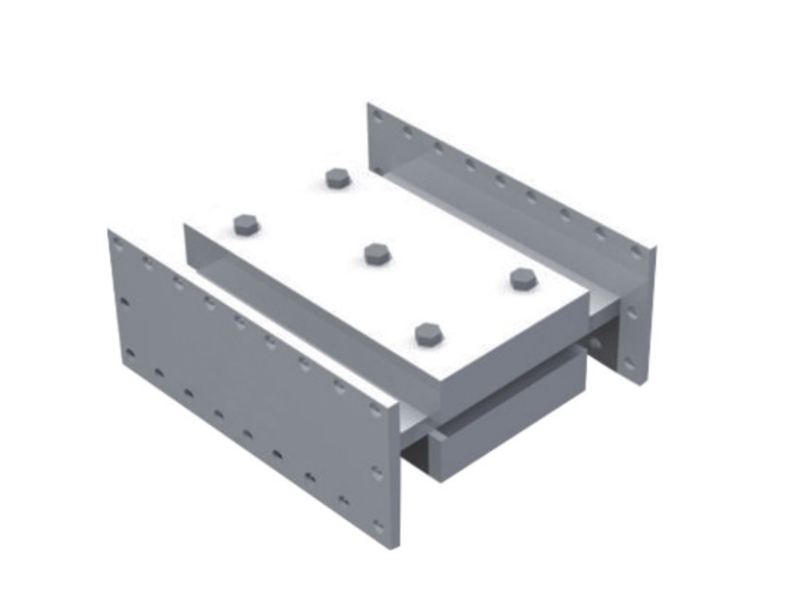
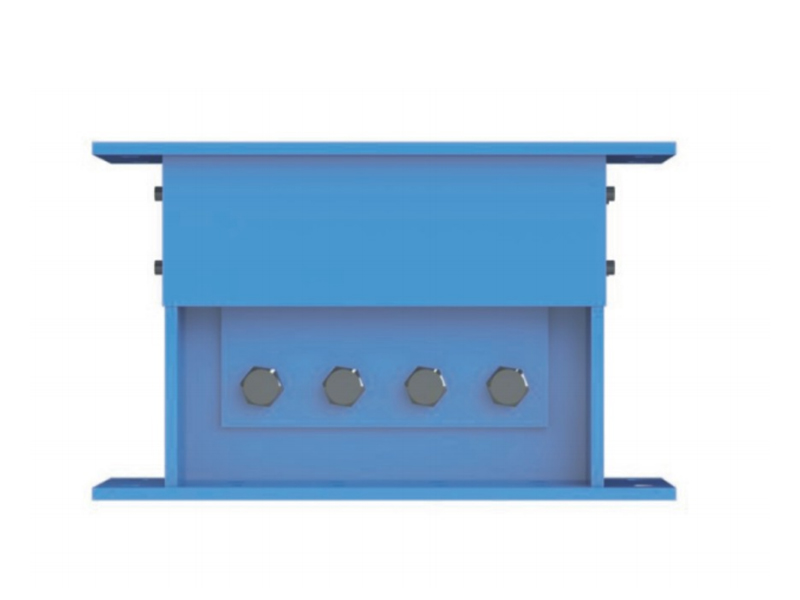
The friction damper component inside a metal composite damper typically consists of a middle steel plate, two outer steel plates, and a friction material positioned between them, generating resistance through sliding contact rather than through material deformation alone. This friction-based resistance activates alongside the lead-viscoelastic material's own damping behavior, giving the combined device more than one pathway for dissipating seismic energy simultaneously. Buyers should ask suppliers how these two mechanisms are tuned relative to each other in a specific product, since a poorly balanced combination can mean one mechanism dominates while the other contributes only marginally to overall performance. Requesting test data that isolates each mechanism's individual contribution, rather than only a combined performance figure, helps buyers understand whether they are paying for genuinely balanced engineering or for a friction component that carries the bulk of the practical work while the lead-viscoelastic material contributes comparatively little.
| 特徴 | 金属ダンパー単体 | メタルコンポジットダンパー |
| 主なメカニズム | 鋼の塑性変形 | 摩擦と鉛粘弾性作用の組み合わせ |
| 地震後の測位 | 永久変形の可能性が高い | リセット機能による部分セルフセンタリング |
| 温度感度 | 低い | 適度な粘弾性成分が感度を高めます |
| 機械的な複雑さ | よりシンプルな単一のメカニズム | より高度な複数のメカニズムが連携して動作する |
| に適しています | コスト重視のプロジェクト、簡単な改造 | イベント後の迅速な再利用を優先する施設 |
Because a metal composite damper incorporates viscoelastic material alongside its metal and friction components, buyers should ask specifically how the device performs across the temperature range expected at their project site, since viscoelastic materials generally show more temperature-dependent behavior than steel-only mechanisms. A pure metal damper's performance stays largely unaffected by temperature, which is one advantage buyers give up in exchange for the lead-viscoelastic damper component's added reset capability.このトレードオフを特定のプロジェクトの気候や再占有の優先順位と比較検討することは、購入者がプロジェクトの複雑さが増すかどうかを判断するのに役立ちます。 メタルコンポジットダンパー より単純な金属のみのデバイスよりもそれを正当化するのに十分な実用的なメリットが得られます。

同社は「品質第一、顧客第一」という企業理念を貫き、国内外のお客様のご来店・ご案内を心よりお待ちしております。
見積もりを取得
住所: No. 359 Guangming West Road, Sanmen County, Taizhou City, Zhejiang Province, China
国際貿易マネージャー:Madison
郵便: [email protected] / [email protected]
電話/Whatsapp:+86-17857335842
